Outside Drains and Gullies: A Guide for Amersham Homes
For homeowners in Amersham and the wider Buckinghamshire area, understanding how outside drains and gullies function is crucial to protecting properties from water damage. These drainage components play a vital role in directing rainwater safely away from your home, preventing flooding and damp issues that can cause costly repairs. With the region’s often wet seasonal climate, effective drainage maintenance is especially important to keep water flowing freely.
Whether you live in Amersham, Chesham, or nearby towns such as Great Missenden or Chalfont St Peter, knowing the basics about your outside drains, gullies, and channel drains will help you spot problems early. This guide will explain how these drainage features work, why blockages happen, what seasonal maintenance is needed, and what standing water near your house might indicate.
How Outside Drains, Gullies, and Channel Drains Work
Outside drainage around a typical Buckinghamshire home consists of several interconnected parts designed to collect and carry away rainwater from roofs, patios, driveways, and yards. Gullies are the small, often square or circular, grates you see at ground level—they lead rainwater into underground pipes. These pipes then channel the water away from your property to local mains or soakaways.
Channel drains, sometimes called linear drains, are long narrow drains installed along driveways or patios. They capture surface water efficiently, especially in areas where water tends to pool. In Amersham’s older residential areas, you might find a mix of traditional gullies and channel drains working together to handle rainfall effectively.
Together, these elements form a system that prevents water from accumulating near your home's foundations, which is essential given Buckinghamshire’s clay soils that do not drain quickly. Properly functioning outside drainage protects against subsidence and damp.
Why Leaves and Silt Block Drains and Gullies
One of the most common causes of blocked outside drains and gullies in Amersham is the build-up of leaves and silt. The town’s many mature trees, particularly in areas like Penn and Knotty Green, shed leaves that can quickly clog drainage grates. When leaves enter gullies, they accumulate and mix with sediment and other debris, forming a dense blockage.
Silt, a fine soil sediment, is also a frequent culprit, especially after heavy rain or construction work nearby. It settles into the pipes and gullies, reducing water flow. Over time, silt can harden and become difficult to remove without specialist tools.
Combined, leaves and silt restrict water flow, causing surface water to back up. This can lead to ponding around your home or water seeping into foundations, which might not be apparent until damage occurs.
Seasonal Maintenance to Keep Drains Clear
Amersham homeowners should pay particular attention to their outside drains during autumn and winter, when falling leaves and heavy rainfall coincide. Clearing leaves from gully grates regularly—ideally weekly during leaf-fall season—can prevent major blockages before they form.
In the spring, after the wet winter months, it’s wise to inspect drains for silt accumulation or debris that may have settled. You might notice slower drainage or minor puddling on drives or patios, signalling a blockage forming.
Routine maintenance can include removing visible debris by hand or with a garden tool and flushing the drain with water from a garden hose. For persistent blockages, professional drain clearance may be required to avoid damage to your drainage infrastructure.
What Standing Water Around Your Home Can Mean
Noticing standing water around your property can be a sign of drainage issues that need to be addressed promptly. For Amersham homes, standing water near foundations or in gardens could indicate blocked drains, broken pipework, or insufficient drainage capacity.
Persistent puddles on driveways or patios often suggest that gullies or channel drains are clogged, preventing water from draining away properly. This water can then seep into your home’s foundations or basement walls, increasing the risk of damp and structural problems.
In some cases, standing water might mean local drainage systems are overwhelmed, especially after heavy rain. If this is a recurring issue, it’s important to have drains inspected to identify any blockages or damage, and to ensure the drainage system is suitable for your property’s needs.
Local Factors Affecting Drainage in Amersham and Buckinghamshire
Amersham and its surrounding areas, including Little Chalfont, Prestwood, and Seer Green, experience typical Southeast England weather, with rainfall spread throughout the year and occasional heavy downpours. The region’s clay soils, common across Buckinghamshire, retain water and drain slowly, placing extra demand on outside drainage systems.
Older properties in Amersham may have drainage installed decades ago, sometimes under-sized for modern water runoff volumes, especially with contemporary paving and hard landscaping that increase surface water flow. This can exacerbate blockage and overflow problems if maintenance isn’t regular.
Additionally, local tree coverage in places like Ballinger and Ashley Green means homeowners must be vigilant about leaf fall clogging gullies. Awareness of these local factors can help residents plan seasonal checks and maintenance to keep drainage systems functioning well all year.
DIY Tips for Maintaining Your Outside Drains and Gullies
Regular visual inspection is the first step to maintaining your outside drains. Look out for standing water on or near grates, broken or displaced covers, and signs of damage to drainage channels. Using gloves, remove any leaves, twigs, and debris visible on gully grates after storms or heavy winds.
Flushing drains with a garden hose can help clear minor blockages. Aim the water directly into the gully to push through silt and smaller debris. Avoid using chemical drain cleaners outdoors as these can harm local watercourses and wildlife in Buckinghamshire.
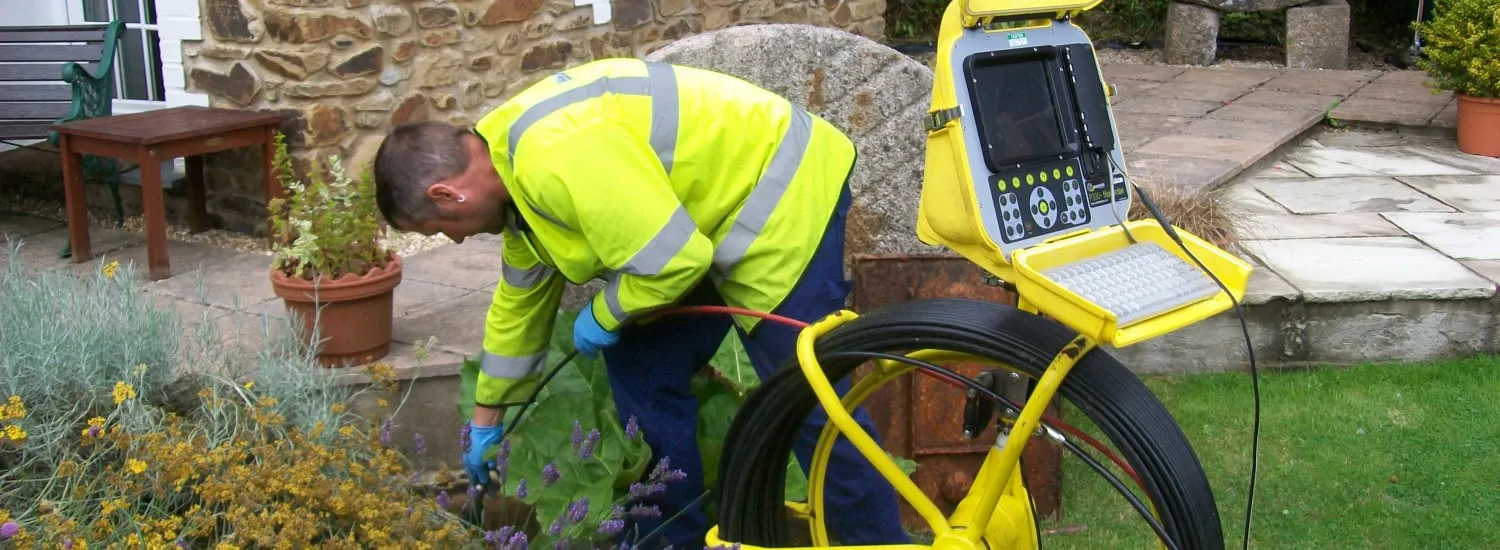
If you spot persistent slow drainage or suspect a blockage beneath the surface, it’s wise to seek professional help. Specialist equipment can safely clear deep blockages and inspect pipework using cameras to prevent costly damage to your property.
When to Call a Professional for Drainage Issues
If after regular clearing and flushing your outside drains continue to overflow or drain slowly, it may indicate deeper blockages or pipe damage requiring expert attention. This is especially important in Amersham’s older homes where underground pipes can degrade over time.
Signs that you need a professional include persistent standing water, foul odours near gullies, or water backing up into your home. A qualified drainage contractor can perform a detailed inspection, often using CCTV cameras, to diagnose the problem accurately.
Early intervention can prevent serious issues like subsidence or internal flooding, protecting your investment and peace of mind. Regular professional checks complement your own maintenance efforts, especially after severe weather events common in Buckinghamshire.
Protecting Your Home Year-Round in Amersham
Maintaining outside drains and gullies throughout the year is essential in Amersham’s changing climate. Regular checks before the wettest months and after storms can identify problems early, helping you minimise risks of water damage.
Consider consulting local drainage services if you’re unsure about your system’s condition or if you’re planning landscaping changes that might affect water flow. Well-maintained drainage enhances your home’s resilience against flooding and reduces long-term repair costs.
By understanding how your outside drains work and keeping them clear of leaves and silt, you’ll ensure your Buckinghamshire home remains comfortable and dry no matter the season.
Need a drainage expert in Amersham?
Call 01494 257744